How Virtual Shoe Depths Shape Progressive Betting Patterns in Live Dealer Card Game Sessions Across Mobile Platforms
Xander Lorenz · Oct 31, 2026

How Virtual Shoe Depths Shape Progressive Betting Patterns in Live Dealer Card Game Sessions Across Mobile Platforms
Virtual shoe depths in live dealer card games on mobile platforms refer to the simulated number of decks and penetration levels that determine how many cards remain before reshuffling occurs, and these depths directly influence the way players adjust progressive betting sequences during sessions. Operators configure virtual shoes with varying penetration rates that range from 50 percent to over 80 percent, which creates different opportunities for bet sizing adjustments as cards are dealt in real time. Mobile interfaces display these depths through on-screen indicators that update after each round, allowing users to track remaining cards while they execute systems that increase or decrease wager amounts based on prior outcomes.
Mechanics of Virtual Shoes in Mobile Live Dealer Environments
Live dealer platforms transmit video feeds from physical tables or hybrid studios while software layers manage the virtual shoe that dictates card distribution order, and this setup means mobile users experience shoe depletion at rates determined by the operator's chosen penetration settings. When a shoe reaches deeper levels, the statistical distribution of remaining cards shifts, which in turn affects how progressive betting patterns unfold because players often scale bets upward after sequences of wins or losses. Data from multiple platforms shows that sessions using shoes with 75 percent penetration or higher see more frequent bet escalations in the latter stages, whereas shallower shoes prompt earlier resets of progressive sequences.
Researchers at academic institutions have examined these patterns across Android and iOS applications, finding that touch-screen controls and smaller display areas alter the timing of bet adjustments compared to desktop play. One study tracked thousands of sessions and noted that mobile users tend to accelerate progressive increases when the virtual shoe indicator drops below 30 percent remaining, especially during peak evening hours on European and North American servers.
Progressive Betting Adjustments Tied to Shoe Penetration
Progressive systems such as Martingale or Paroli rely on consecutive outcomes, yet the virtual shoe depth adds another variable because players incorporate remaining deck information into their escalation decisions. When penetration is shallow, the window for meaningful card distribution changes stays limited, which leads many users to apply shorter progressive cycles before resetting. Deeper shoes extend that window, allowing extended runs of increasing bets as high or low card concentrations become more predictable toward the end of the shoe.
Figures released by the Nevada Gaming Control Board in late 2025 and early 2026 documented shifts in mobile blackjack and baccarat activity that correlated with operator changes to virtual shoe settings. Nevada Gaming Control Board reports indicated that platforms offering deeper penetration saw measurable rises in average bet sizes during the final third of each shoe, particularly among users on tablet devices with larger screens. In October 2026, aggregated platform analytics continued to reflect these trends across multiple jurisdictions.
Mobile Platform Variations and User Decision Timing
Screen size and interface design on smartphones versus tablets create distinct decision environments that interact with shoe depth information, since smaller displays often compress the visual depth meter and require additional taps to view detailed statistics. Users on compact devices therefore rely more heavily on memory of recent cards when deciding whether to extend a progressive sequence, while tablet players access expanded data overlays that support longer-term tracking. Platform logs reveal that iOS sessions exhibit slightly different escalation timing than Android sessions, with the former showing steadier bet increases as shoes approach exhaustion.
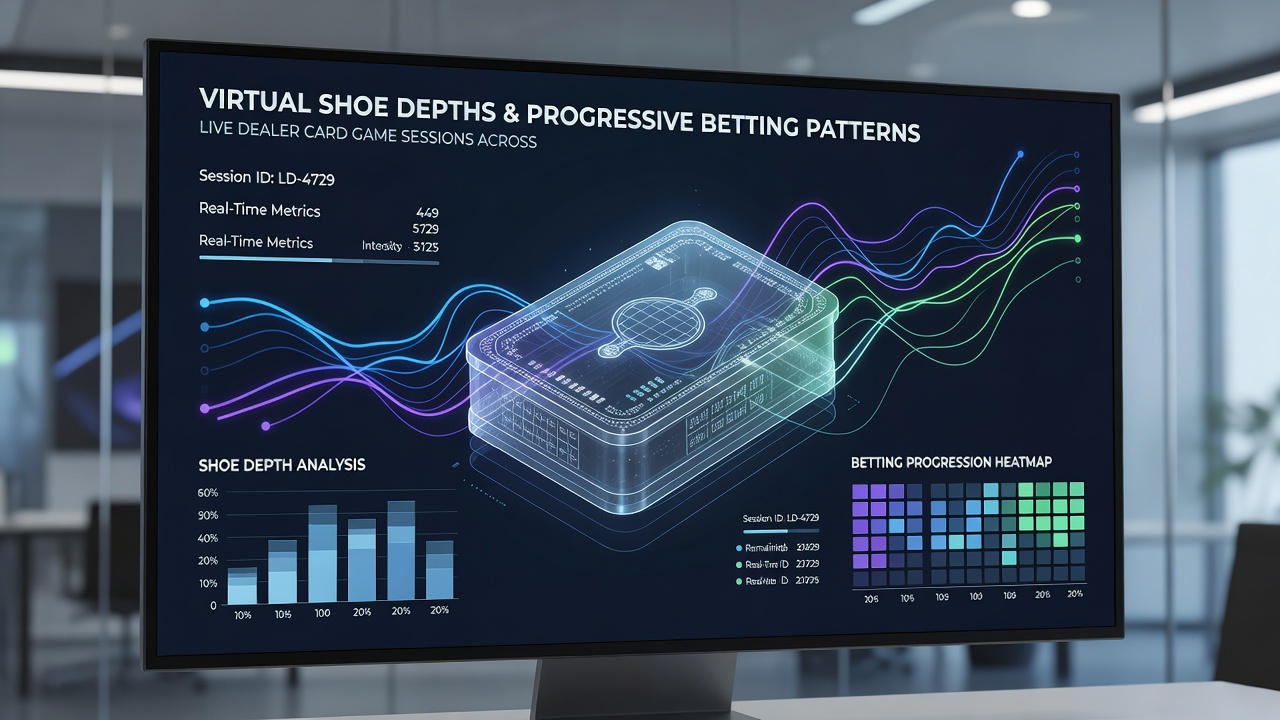
Observers tracking these behaviors note that reward-linked promotions during October 2026 amplified the effect, as players extended progressive runs when deeper shoes coincided with bonus multipliers. Cross-platform comparisons demonstrate that users who switch between phone and tablet mid-session often adjust their betting rhythm once the larger interface provides clearer shoe-depth visibility.
Regional Data and Platform Comparisons
Regulatory data collected by iGaming Ontario and similar bodies in other provinces highlights parallel patterns in Canadian mobile markets, where operators adjust virtual shoe parameters seasonally. iGaming Ontario statistics from the first three quarters of 2026 showed increased session lengths on games configured with higher penetration when progressive systems were active. European operators have reported comparable outcomes, with mobile traffic from both Android and iOS contributing to the observed correlation between shoe depth and bet progression length.
Industry reports compiled by research groups further illustrate that these dynamics remain consistent across baccarat and blackjack variants, although baccarat sessions display more pronounced escalations because the game structure permits faster rounds and quicker shoe depletion. Mobile users in these environments frequently reference the on-screen depth meter when deciding the magnitude of each progressive step, which creates measurable differences from sessions played without such indicators.
Conclusion
Virtual shoe depths continue to serve as a central factor shaping how progressive betting patterns develop in live dealer card game sessions on mobile platforms, with penetration levels determining the duration and intensity of bet escalations. Platform data from 2026, including October figures, confirms that deeper configurations extend the periods during which users apply increasing wagers, while interface differences across devices influence the precision of those adjustments. Regulatory bodies and academic researchers maintain ongoing monitoring of these interactions to document how software settings and hardware variables combine to affect session outcomes across regions.