Tracing Loyalty Rewards Impact on Decision Patterns Across Digital French Blackjack Adaptations
Felix Jenkins · Sep 19, 2026
Tracing Loyalty Rewards Impact on Decision Patterns Across Digital French Blackjack Adaptations
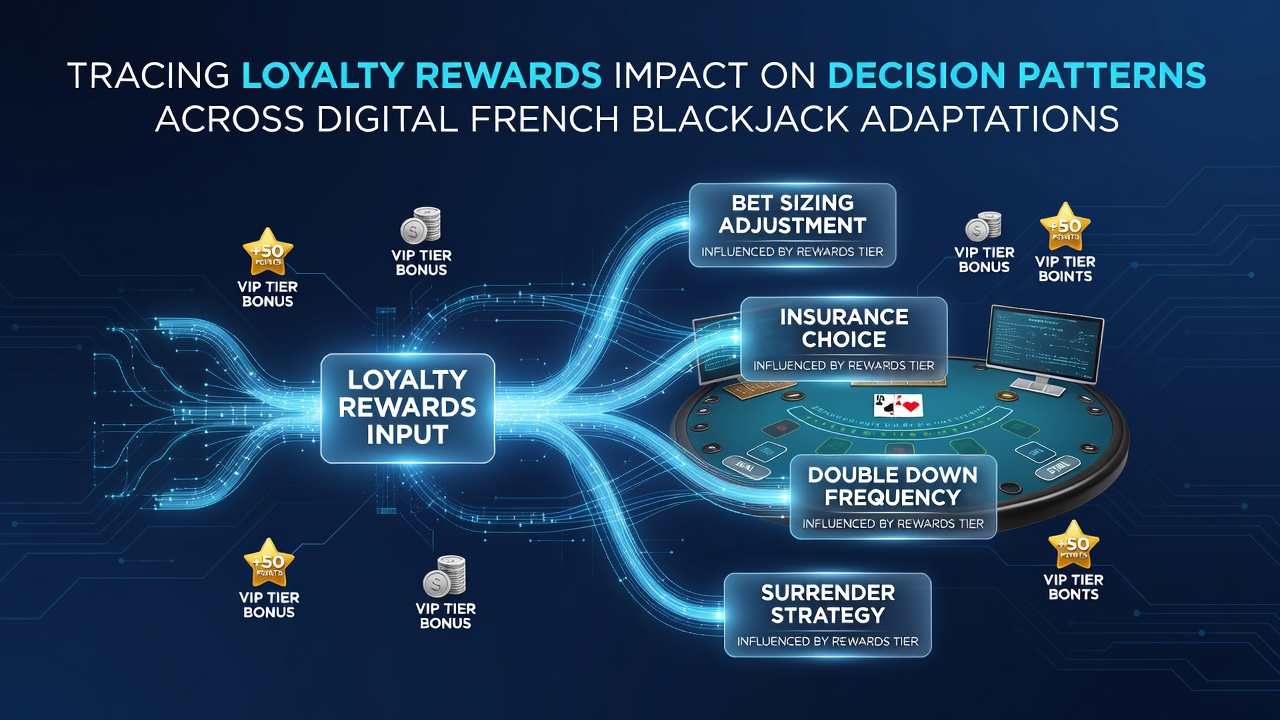
Digital adaptations of French blackjack incorporate specific rule sets such as the absence of a hole card for the dealer and restrictions on doubling down, while loyalty rewards programs integrate points systems, tiered bonuses, and cashback mechanisms that track player activity over time. These programs record metrics including bet frequency, stake sizes, and session durations, which analysts examine to identify shifts in decision patterns when rewards accumulate. Data from platform operators indicate that players often adjust their strategies once they reach certain reward thresholds, such as increasing wager amounts to accelerate point earnings or altering hit and stand choices to prolong sessions eligible for bonuses.
Core Mechanics of French Blackjack in Digital Formats
French blackjack rules emphasize dealer advantages through the no-hole-card procedure and limited splitting options, yet digital platforms adapt these by offering real-time rule explanations and automated tracking tools. Loyalty rewards layer onto these mechanics by assigning multipliers based on game variants, so participants in French-style tables earn points at rates that differ from standard blackjack versions. Research from European gaming analytics firms shows that reward structures encourage longer engagement with rule-specific decisions, such as more frequent insurance bets when promotional credits apply to side wagers. Observers note that these adaptations maintain the core 3:2 payout on natural blackjacks while integrating progress bars that display progress toward the next reward level, influencing how users weigh risk during individual hands.
Loyalty Program Structures and Data Collection
Operators deploy loyalty frameworks that categorize players into tiers determined by cumulative points from wagers placed across French blackjack tables, with higher tiers unlocking reduced house edges or exclusive table access. These systems log granular data on decision sequences, including patterns of doubling after splits or surrendering when rewards near expiration dates. According to findings published by the Canadian Institute for Gaming Research, reward visibility correlates with measurable changes in bet sizing, as participants monitor point accrual and modify their approach to hands in pursuit of tier advancement. Platforms collect this information through backend analytics that flag deviations from baseline play, such as extended sessions or repeated small bets designed to farm points without substantial risk exposure.
Observed Shifts in Player Decision Patterns
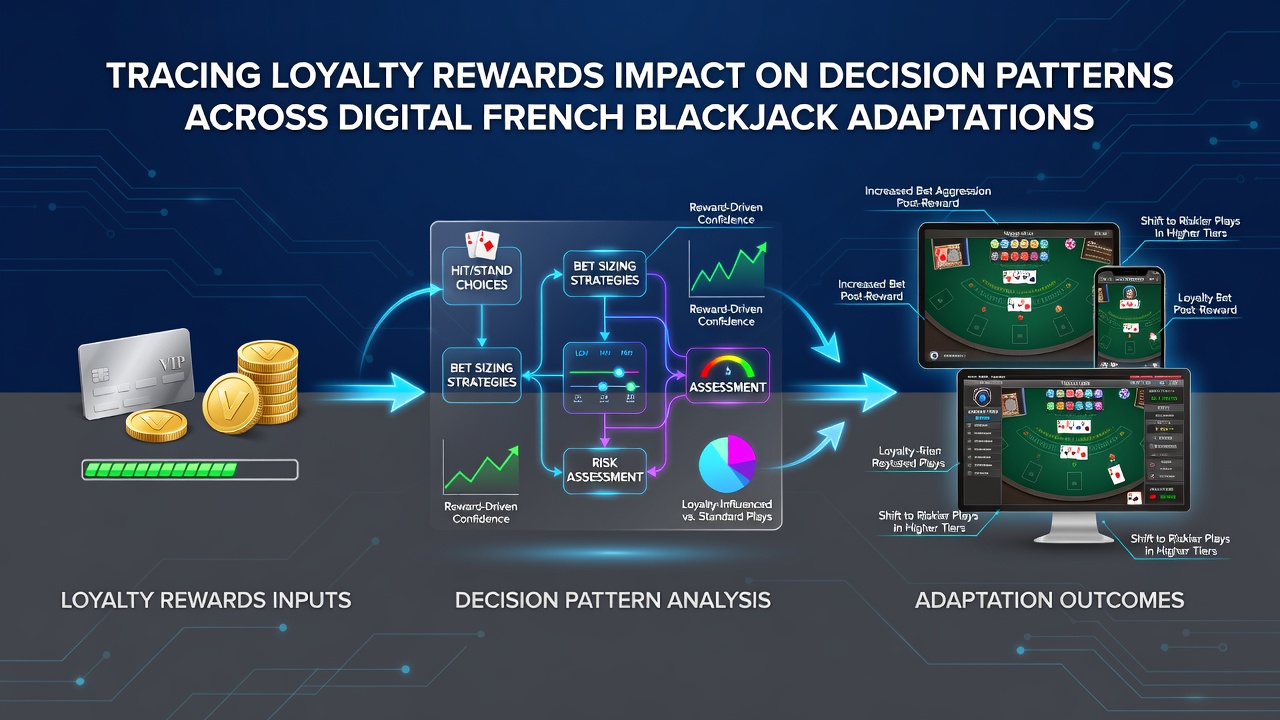
Studies tracking user behavior across multiple jurisdictions reveal that loyalty incentives prompt adjustments in core strategy adherence, particularly when rewards include loss rebates that reduce effective house edge during promotional windows. In French blackjack adaptations, players demonstrate increased frequency of standing on marginal hands once reward progress appears close, as data logs show attempts to secure points through completed rounds rather than aggressive play. Reports compiled by the Autorité Nationale des Jeux in France highlight how digital interfaces present reward notifications mid-session, which coincides with documented rises in insurance bet acceptance rates among mid-tier loyalty members. Analysts examine these patterns by comparing pre-reward and post-reward hand histories, noting consistent trends where participants extend playtime to qualify for milestone bonuses even when standard strategy would suggest earlier exits.
Regional Data Trends Emerging in September 2026
September 2026 marks the release of aggregated reports from cross-border gaming regulators that compare loyalty program effects across digital French blackjack offerings in European markets. These documents detail how reward-linked decision changes manifest differently by region, with higher average stake escalations observed in markets where cashback percentages tie directly to French rule compliance. Figures from independent research consortia indicate that point redemption options for free hands or reduced rake prompt players to experiment with non-standard splits more often than in non-reward scenarios. Platform telemetry collected during this period further illustrates seasonal spikes in session counts when loyalty events align with holiday periods, resulting in traceable modifications to hit frequencies on soft totals.
Integration of Rewards with Platform Algorithms
Digital systems employ algorithms that dynamically adjust reward visibility based on detected decision clusters, such as displaying upcoming bonuses when users repeatedly choose conservative stands in French blackjack rounds. This integration creates feedback loops where players receive prompts that reference their recent hand outcomes, encouraging continued participation to unlock the next tier. Evidence from academic reviews of gambling telemetry suggests these prompts correlate with sustained changes in bet distribution, including more even spreads across table limits to maximize point multipliers. Operators maintain compliance logs that separate reward-driven decisions from baseline strategy, allowing regulators to review how loyalty mechanics interact with the fixed rules of digital French adaptations without altering payout structures.
Conclusion
Comprehensive tracking of loyalty rewards across digital French blackjack platforms demonstrates clear connections between reward accumulation and alterations in betting frequency, hand selection, and session length. Data sets compiled through 2026 continue to provide insights into these interactions, supporting ongoing analysis by regulatory bodies and research organizations that monitor how incentive structures shape participation patterns while preserving the integrity of French rule implementations.